Prepare Your Exterior and Security Lighting
Expert Tips for Electrical Outlet & Switch Relocation
Electrical Outlet & Switch Relocation Tips in NC
Plan Smarter Layouts for Your Home or Business
Planning Your Layout Before Breaking Ground
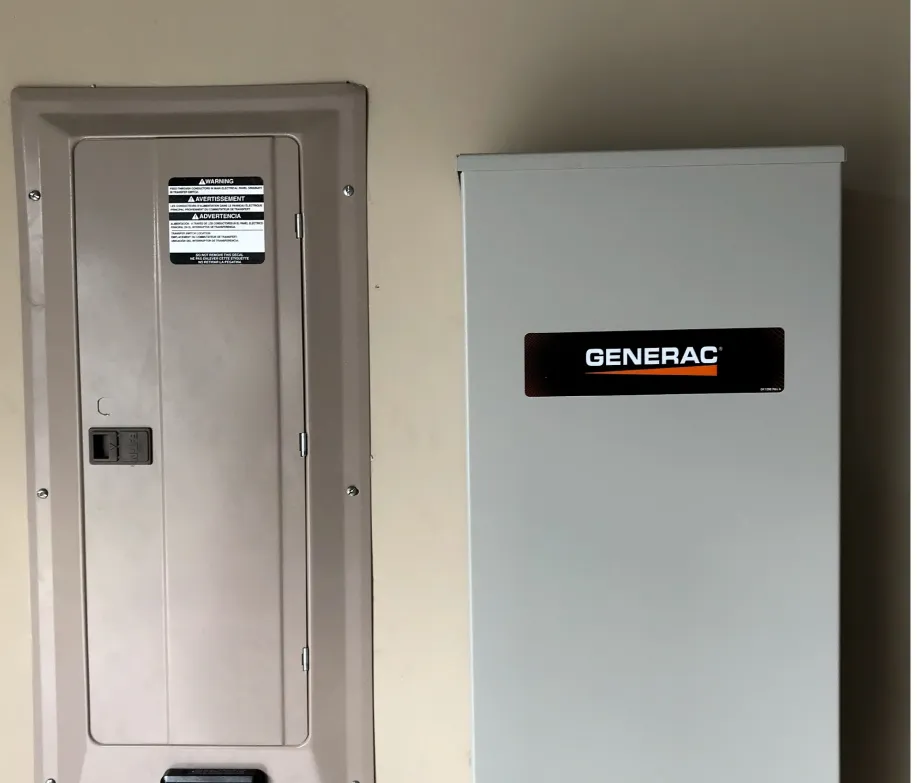
Before any wiring is moved, take time to map out exactly where each outlet and control needs to be. Start by walking through each room and noting where furniture will sit, where task lighting is needed, and where electronic devices will be used most frequently. In many North Carolina homes built before 1990, outlets were spaced farther apart than current building codes require, and switches were often placed in inconvenient spots that made sense for different furniture layouts decades ago.
Measure the distances from existing electrical boxes to your desired new locations. This step helps you understand how much new wiring will be required and whether the existing circuit can support additional connections. If you’re relocating a switch that controls overhead lighting, trace the path the wiring currently takes and determine the most direct route to the new position. Many homeowners discover that moving a switch just a few feet can require running wire through wall cavities, which may involve opening drywall in multiple locations.
Consider the electrical load on each circuit as well. If you’re adding outlets to a kitchen or workspace, verify that the existing circuit has sufficient capacity for the devices you plan to plug in. North Carolina electrical codes align with the National Electrical Code, and any modifications must meet current standards even if the original installation was grandfathered under older rules. Sunnydale Electric handles all permit applications and code compliance work, ensuring that every relocated outlet and switch meets both safety requirements and local inspection standards.
Understanding Wiring Paths and Wall Structures
Before relocating any electrical outlet or switch in your Youngsville home, understanding the hidden infrastructure behind your walls is absolutely essential for a safe and successful project. The wiring paths and wall structures in your property determine not only the feasibility of your relocation but also the complexity and cost of the work involved.
Most residential properties in Wake County follow standard wiring conventions, but every home has unique characteristics that must be carefully evaluated. Electrical wiring typically runs vertically from the main electrical panel to individual circuits throughout your home, then horizontally between outlets and switches on the same circuit. These pathways are not arbitrary—they follow building codes and structural considerations that protect both the wiring and your home’s integrity.
Wall structures vary significantly between construction types and eras. Homes built in different decades often feature different framing methods, insulation types, and wiring standards. Older properties may have plaster and lath walls with outdated wiring systems, while newer constructions typically feature drywall with modern Romex wiring. Understanding these differences is crucial because each configuration presents distinct challenges when relocating electrical components.
Load-bearing walls require special consideration during any electrical work. These critical structural elements cannot be compromised by cutting or drilling without proper planning and reinforcement. Professional electricians from Sunnydale Electric of North Carolina, Inc. are trained to identify load-bearing walls and work within their constraints to safely relocate your outlets and switches without compromising your home’s structural integrity.
The presence of studs, fire blocks, and insulation within your walls also impacts relocation projects. Studs are typically spaced sixteen or twenty-four inches apart, creating a framework that supports your walls. Fire blocks are horizontal pieces of lumber installed between studs to prevent fire spread, and they can obstruct direct wiring paths. Understanding where these elements exist helps determine the most efficient route for new wiring.
Modern building codes in North Carolina require specific spacing for outlets and switches, and these regulations influence where relocated components can be legally installed. Outlets must be positioned no more than twelve feet apart along walls, with additional requirements for kitchen countertops and bathroom areas. These code requirements ensure adequate electrical access while maintaining safety standards throughout your property.
Hidden obstacles within walls can complicate relocation projects significantly. Plumbing pipes, HVAC ducts, existing wiring for other circuits, and even previous modifications create a complex environment that requires expertise to navigate safely. Professional electricians use specialized tools to map these hidden elements before beginning work, preventing costly mistakes and ensuring efficient project completion.
The type of circuit feeding your current outlet or switch determines what modifications are possible during relocation. Dedicated circuits for major appliances have different requirements than general-purpose circuits serving multiple outlets. Understanding circuit capacity and load calculations ensures that your relocated outlet or switch will function safely and reliably without overloading the electrical system.
Wall materials themselves present varying levels of challenge for electrical work. Drywall is relatively straightforward to cut and repair, while plaster requires more delicate handling to prevent extensive cracking. Tile, brick, or stone accent walls demand specialized techniques and tools for creating new outlet locations without damaging surrounding materials.
Professional assessment of your wiring paths and wall structures provides the foundation for successful electrical relocation projects. Sunnydale Electric of North Carolina, Inc. brings comprehensive knowledge of residential, commercial, and industrial electrical systems to every project in Youngsville, Raleigh, Wake Forest, and throughout the surrounding service areas. Our expertise ensures that your outlet and switch relocations are completed safely, efficiently, and in full compliance with all applicable codes and standards.
Safety Protocols and Code Requirements
Safety begins with de-energizing the correct circuit before any work starts. Always verify that power is off using a non-contact voltage tester, not just by flipping a breaker and assuming the circuit is dead. Mislabeled panels are common, and working on a live circuit can result in serious injury or death. Even after confirming that power is off, treat every wire as if it’s energized until you’ve physically tested it.
North Carolina follows the National Electrical Code with some local amendments, and any outlet or switch relocation must comply with current standards. This includes proper box fill calculations, correct wire gauge for the circuit amperage, appropriate use of cable clamps and connectors, and ensuring that all connections are made inside approved electrical boxes. Ground-fault circuit interrupter (GFCI) protection is required for outlets in bathrooms, kitchens, garages, and outdoor areas, and arc-fault circuit interrupter (AFCI) protection is required for most living spaces in newer installations. When relocating outlets, you may be required to upgrade protection devices even if the original installation was compliant at the time it was installed.
Permit requirements vary by jurisdiction within North Carolina. Some municipalities require permits for any modification to existing circuits, while others allow minor work without formal approval. However, skipping permits creates problems during home sales, insurance claims, or future renovation projects when inspectors discover unpermitted work. Properly permitted work provides documentation that the installation was inspected and meets code, protecting both your safety and your property value. Sunnydale Electric manages all permitting and inspection processes, ensuring that every relocated outlet and switch is fully compliant and documented.
Recognizing When to Bring in Specialized Help
The cost of electrical outlet and switch relocation depends on several factors: the distance between old and new locations, the accessibility of wall cavities, the number of devices being moved, and whether any circuit upgrades are needed. Moving a single outlet a few feet along the same wall is relatively straightforward and typically requires minimal drywall work. Relocating a switch to the opposite side of a room, however, involves running new wire across multiple wall cavities, potentially opening ceilings or floors, and much more extensive patching and repainting.
Material costs are usually modest, wire, boxes, devices, and connectors are inexpensive. The bulk of the investment goes toward labor: planning the wire route, cutting access holes, fishing cable through walls, making connections, testing the circuit, patching drywall, and finishing surfaces. Homes with finished basements or second-story locations require creative routing solutions that add time and complexity. In North Carolina’s humid climate, any opened walls should be properly sealed and painted to prevent moisture intrusion, which adds to the finishing work required after the electrical modifications are complete.
Consider the broader context of your project. If you’re already planning a room renovation that involves opening walls for other reasons, such as adding insulation, updating plumbing, or reconfiguring spaces, bundling electrical outlet and switch relocation into that project is far more cost-effective than doing it as a standalone job. Similarly, if you’re moving one outlet, evaluate whether adjacent outlets or switches could benefit from repositioning at the same time, since the incremental cost of relocating additional devices during the same visit is typically lower than scheduling separate projects.
Sunnydale Electric provides detailed estimates that account for all aspects of the work, from initial assessment through final inspection. Our team evaluates your specific situation, explains the scope of work required, and offers solutions that balance functionality, code compliance, and budget. Whether you’re updating a single room or planning whole-home electrical improvements, we deliver installations that meet current safety standards and serve your needs for years to come. If you’re unsure about any step in the process, our team can handle the work for you, ensuring safe and code-compliant results.
Finishing Touches and Long-Term Maintenance
While some homeowners feel comfortable replacing a switch plate or installing a dimmer, electrical outlet and switch relocation involves tasks that carry genuine risk when performed incorrectly. If the new location requires running wire through multiple wall cavities, drilling through studs, or connecting to an existing circuit at a junction box, the margin for error shrinks considerably. In many North Carolina municipalities, permits are required for any work that involves adding or extending branch circuits, and inspections ensure that connections meet current code standards.
Consider the scope of your project carefully. If you’re moving a single outlet a few feet along the same wall and the wire path is clear, the task may be straightforward for someone with electrical experience. However, if you’re relocating multiple devices, adding new circuits to handle increased load, or working in spaces where access is limited such as behind tile or in finished basements the complexity increases quickly. Homes built before the 1980s may also have aluminum wiring or outdated grounding methods that require special handling during any modification.
Another factor is time and convenience. What might take a homeowner an entire weekend including multiple trips to the supply store, patching drywall, and troubleshooting connections can often be completed in a few hours by someone with the right tools and training. Electrical installation service providers carry the necessary testing equipment, wire-fishing tools, and code reference materials to complete moves efficiently and correctly the first time. If any part of the process feels uncertain, or if you simply want assurance that the work will pass inspection and function safely for years to come, bringing in qualified assistance is a sound decision. Our team handles outlet and switch relocation projects throughout Youngsville and surrounding areas, ensuring every connection is secure and every installation meets local standards.